

From words to action – how we build the working life of the future together
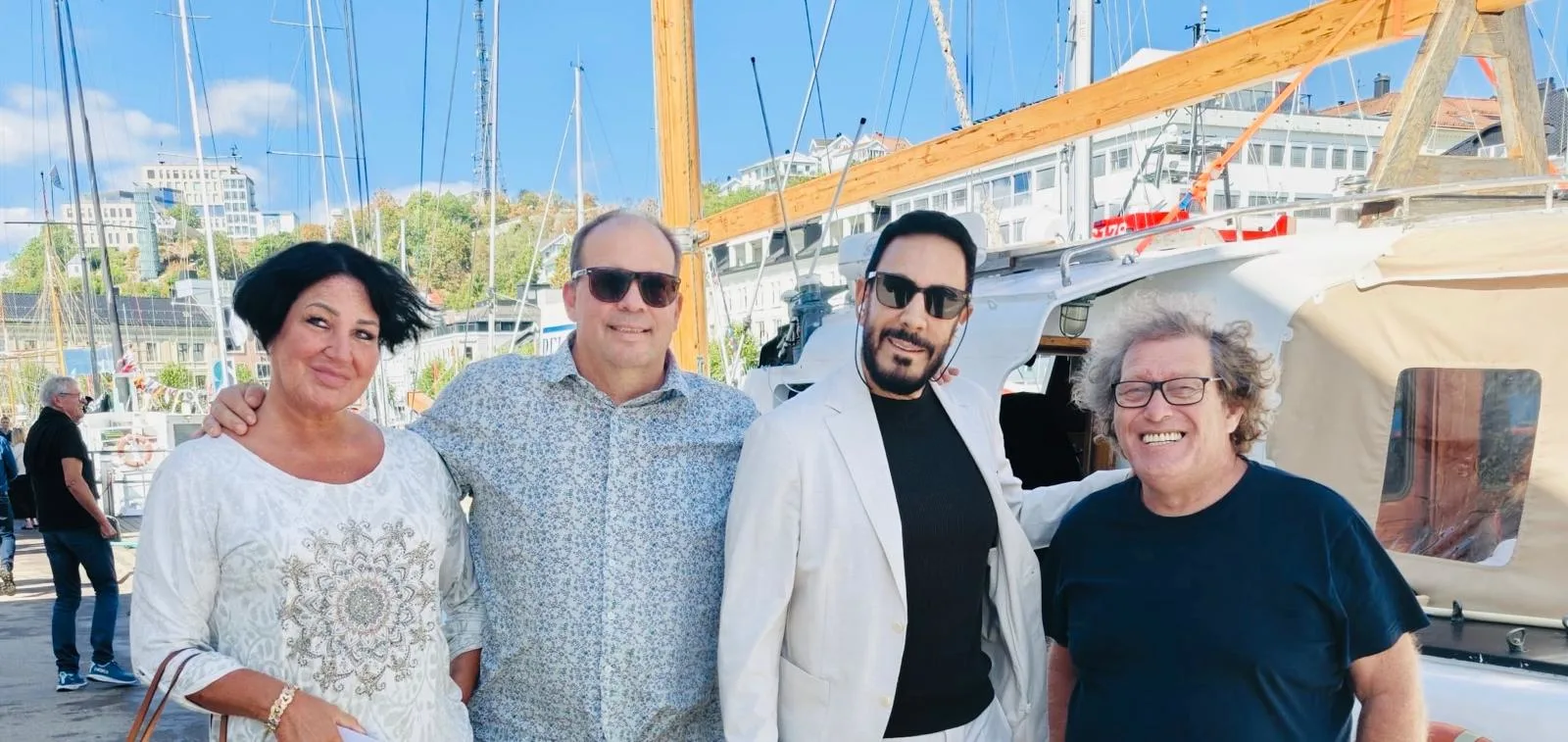
After participating in a number of debates and closely following the discussions during this year’s Arendalsuka – ranging from Ine Eriksen Søreide’s clear-eyed reckoning with the situation to NHO’s and researchers’ hard-hitting analyses of marginalization and galloping sick leave – I am left with a striking realization: It’s fantastic that we are talking about it. The discussions are good, the analyses are spot-on, and the chorus of agreement sings loudly that «we cannot afford to continue as we are today». But when the floodlights are turned off, the tents are emptied, and everyday life resumes, the big, uncomfortable question remains: What happens the day after?
We have more than enough good intentions, fine words, and official reports. What we desperately lack is the binding transition to genuine, radical action. The numbers hitting us are indefensible – with around 700,000 people outside of work and education, a world-leading sick leave rate, and a business sector screaming for labor. If we are to shake off this systemic failure, we must stop debating the problem and start building the solutions together. How do we close the gap between rhetoric and reality? The answer requires both businesses and politicians to put on their seven-league boots of responsibility. Companies can no longer sit on the fence waiting for the public sector or traditional program providers to deliver finished candidates on an assembly line.
Businesses must unite in industry clusters and connect directly with people long before they drop out, or while they are in a vulnerable phase. Companies and inclusion providers must forge alliances where responsibility doesn’t stop at a signed contract, but extends through the critical phase to ensure genuine mastery and lasting connection over time. Politicians can no longer content themselves with handing out expressions of sympathy from the podium. They must do what is required to remove the systemic stumbling blocks:
- Scrap the tender tyranny: The current rigid tender regime rewards volume and headhunting rather than real quality. Politicians must introduce a value-based funding model that pays for lasting results, lower sick leave, and genuine mastery over time.
- Remove bureaucratic walls: Regulations must be radically simplified so that companies daring to invest in people on the fringes of the working life are not punished with paperwork hell and unpredictable risk.
- Invest in proactive, data-driven tools: Give NAV and the frontline the leeway and permission to utilize secure, intelligent data tools and AI that can uncover early warning signs of health failure and competency gaps – long before long-term sick leave is a fact.
The discussions in Arendal have given us direction and exposed the blind spots. Now it is up to us to demand action. Let’s move from words in tents to real, value-creating action in reality – for people’s lives and the future of our society❤️
This article is part of an ongoing series exploring labour market dynamics and workforce inclusion.
This article is written in a personal capacity. Views are my own and do not represent any employer or organisation.